Contents:
- A Brief History of Rose Color Symbolism
- Red Roses: The Color That Needs No Introduction
- When to Choose Red Roses
- Pink Roses: The Most Versatile Color in the Shop
- Pink Rose Meanings by Shade
- White Roses: More Complex Than They Look
- When White Roses Work Best
- Yellow Roses: Reclaiming a Misunderstood Color
- Yellow Rose Occasions
- Orange Roses: The Underrated Choice
- Lavender and Purple Roses: Enchantment at First Glance
- Peach Roses: The Gratitude Flower
- A Personal Story: Getting the Color Wrong
- Mixing Rose Colors: What Combinations Mean
- Popular Color Combinations and Their Messages
- Practical Tips for Choosing the Right Rose Color
- Consider Your Relationship to the Recipient
- Factor in Cultural Context
- Think About Where the Flowers Will Live
- Don’t Overlook the Number of Stems
- Ask Your Florist
- Rose Colors for Specific Occasions: A Quick Reference
- Valentine’s Day
- Weddings
- Mother’s Day
- Sympathy and Condolences
- Graduation
- Why FlowersCNJ Gets Rose Color Right
- FAQ: Rose Color Meanings
- What color roses mean “I’m sorry”?
- Is it okay to send red roses to a friend?
- What do two different rose colors together mean?
- How many roses should I send?
- Do rose color meanings differ by country?
- Sending Roses That Actually Land
You’re standing in front of a floral display, or scrolling through an online shop, and suddenly you freeze. There are red roses, pink roses, white roses, peach roses, lavender ones — and you have absolutely no idea which color sends the right message. Send the wrong shade to the wrong person, and a well-intentioned gift might land somewhere awkward. It happens more often than florists will tell you.
Rose color symbolism isn’t just wedding-planner trivia or something your grandmother cared about. These meanings are woven into cultural history, literature, and gift-giving traditions that stretch back centuries. And while modern giving has loosened some of the old rules, the underlying signals each color sends are still very much alive. Knowing them gives you a real advantage — whether you’re sending flowers to someone you love, celebrating a milestone, or simply trying to show up with something that feels right.
Quick Answer: Red roses = romantic love. Pink roses = admiration, appreciation, and affection. White roses = purity, sympathy, and new beginnings. Yellow roses = friendship and joy. Orange roses = enthusiasm and passion. Lavender roses = enchantment and mystery. Peach roses = gratitude and sincerity. The meaning can shift slightly based on context — a dozen red roses says something very different from a single one.
A Brief History of Rose Color Symbolism
The practice of assigning meaning to flowers — called floriography — reached its peak popularity in Victorian England during the 1800s. At a time when direct emotional expression was considered socially inappropriate, people communicated through carefully chosen flowers. A bouquet wasn’t just decorative. It was a coded message.
Roses occupied the center of that system. They’d already carried symbolic weight in ancient Rome (where they were associated with Venus, the goddess of love), in medieval Christian iconography, and in Persian poetry. The Victorians organized and codified what was already instinctive cultural knowledge.
That tradition crossed the Atlantic and settled into American gift culture. By the 20th century, florists across the U.S. were selling color-coded arrangements for specific occasions — red for Valentine’s Day, white for weddings, yellow for graduation. Today those associations are still the foundation of how most people think about sending flowers, even if they couldn’t name the tradition behind it.
Red Roses: The Color That Needs No Introduction
There is no ambiguity here. Red roses mean romantic love. Deep, passionate, unambiguous love. When someone receives a dozen red roses, the message reads instantly — and that clarity is exactly why red remains the single most popular rose color sold in the United States year-round.
The shade of red carries some nuance, though. A deep, almost burgundy red reads as mature and intense — ideal for long-term partners or significant anniversaries. A brighter, more vivid red feels energetic and ardent, better suited to early-stage romance or grand gestures. Crimson red sits somewhere in between, carrying both passion and depth.
When to Choose Red Roses
- Anniversaries — especially milestones like 1st, 5th, 10th, and 25th
- Valentine’s Day (obviously), but also spontaneous romantic gestures that mean more because they’re unexpected
- Proposals or declarations of serious intent
- Apologies in a romantic relationship — a sincere one, paired with a genuine conversation
One thing worth noting: red roses sent to a coworker, a distant acquaintance, or someone you’ve just met carry strong implications most people don’t intend. Context matters enormously with red. If you’re unsure, pink is almost always a safer choice.
At https://www.flowerscnj.com/roses/, the red rose selection includes both classic long-stemmed arrangements and more contemporary wrapped designs — the kind where the presentation itself is part of the statement.
Pink Roses: The Most Versatile Color in the Shop
Pink is where things get interesting, because the range within a single color family is enormous. Light pink, hot pink, blush, dusty rose, coral-pink — each of these carries a different emotional register, and all of them are technically “pink.”
As a general rule: the softer the pink, the gentler the message. Light pink roses communicate admiration, grace, and sweetness. They’re the color you send to say “I think you’re wonderful” without the intensity of red. Blush pink, in particular, has become enormously popular for weddings and bridal events precisely because it reads as romantic but not overwhelming.
Deeper pinks — hot pink, fuchsia, vivid rose — shift toward enthusiasm and gratitude. These are celebration flowers. They say “I’m thrilled for you” or “you made my day.” They work beautifully for birthdays, promotions, new babies, and graduations.
Pink Rose Meanings by Shade
- Light pink: Admiration, sweetness, first love, gentle affection
- Medium pink: Appreciation, joy, happiness — broadly positive and warmly received
- Hot pink / fuchsia: Excitement, celebration, gratitude, confidence
- Blush / dusty rose: Romance, elegance, emotional depth — popular for weddings and intimate occasions
- Coral-pink: Enthusiasm, desire, warmth — bridges the gap between pink and orange
Pink roses are arguably the safest all-occasion flower. They read as thoughtful and warm across almost every relationship type — romantic partners, mothers, close friends, colleagues — without sending a signal that might be misread. For new gift-givers trying to navigate floral symbolism for the first time, pink is a genuinely excellent starting point.
White Roses: More Complex Than They Look
White roses carry one of the most layered meanings in the rose color spectrum. On the surface, the association is purity and innocence — which is why they’re ubiquitous at weddings. But the full picture is more nuanced, and understanding it will help you use white roses more intentionally.
White is associated with new beginnings in a very broad sense. A new marriage, yes — but also a new chapter, a fresh start, a transition. That’s why white roses appear at both weddings and funerals. At a wedding, they speak to the beginning of something. At a memorial, they speak to the peace of an ending and the hope of what comes after. The same color, two very different contexts, both emotionally coherent.
White roses also carry connotations of reverence and respect. In the language of flowers, they can communicate “I hold you in high regard” — which makes them appropriate for sympathy arrangements, for honoring someone’s achievement, or for expressing admiration without romantic intent.
When White Roses Work Best
- Wedding ceremonies and receptions — bridal bouquets, centerpieces, altar arrangements
- Sympathy and condolence arrangements (often paired with lilies or greenery)
- Honoring a mentor, elder, or someone who commands deep respect
- Christenings, confirmations, and religious milestones
- New beginnings: a new home, a new job, a recovery from illness
One design note: white roses pair exceptionally well with almost every other color, which makes them a go-to for mixed arrangements. A combination of white and red is classically romantic. White and lavender reads as dreamy and sophisticated. White with deep burgundy evokes elegance. The neutral base white provides is genuinely useful for florists building complex arrangements.
Yellow Roses: Reclaiming a Misunderstood Color
Yellow roses have a complicated reputation, mostly because of one outdated association. In some older traditions, yellow roses were tied to jealousy or infidelity — which made them a flower people avoided sending to romantic partners. That association has largely faded from mainstream American culture, but it lingers just enough to trip people up occasionally.
Today, yellow roses predominantly mean friendship, joy, and warmth. They’re the sunshine of the rose world — bright, cheerful, and genuinely uplifting. Sending yellow roses to a close friend says “you light up my life” in a way that feels sincere rather than romantic. They’re ideal for friendships, for platonic celebrations, for someone who just needs a mood boost.
Yellow also reads as energetic and optimistic, which makes it a strong choice for get-well-soon arrangements and congratulatory bouquets. A vase of yellow roses on someone’s desk after a promotion communicates enthusiasm and support in a warm, uncomplicated way.
Yellow Rose Occasions
- Celebrating a close friendship — particularly long-term, meaningful ones
- Get-well-soon arrangements (yellow reads as hopeful and energizing)
- Congratulations for achievements: graduation, promotions, new ventures
- Cheering someone up after a rough period
- Housewarming gifts — yellow adds brightness to a new space
One thing to be aware of: in parts of Mexico and some Latin American communities, yellow flowers are still associated with mourning. If you’re sending flowers to someone with cultural roots in those regions, it’s worth a quick consideration before going with yellow.
Orange Roses: The Underrated Choice
Orange roses don’t get nearly enough attention. They occupy a fascinating space between the passion of red and the joy of yellow — which means they communicate enthusiasm, desire, and fascination simultaneously. An orange rose says “I am excited about you” in a way that feels dynamic rather than heavy.
This makes orange roses genuinely excellent for early-stage romantic relationships — when red might feel like too much of a declaration, but you still want to communicate real interest and attraction. Orange also reads as creative and bold, which makes it a strong choice for people with artistic or energetic personalities.
For casual occasions, a vibrant orange arrangement has an immediate visual impact that’s hard to match. They photograph beautifully, they stand out in a room, and they project confidence. When you want someone to know the gesture was deliberate and considered, orange roses deliver that.
Lavender and Purple Roses: Enchantment at First Glance
Lavender roses are among the rarest in the natural color range — truly lavender roses are difficult to cultivate, which historically gave them an aura of uniqueness and enchantment. The meaning has followed naturally: lavender roses communicate fascination, wonder, and love at first sight. They’re the flower you send when someone has genuinely captivated you.
Deeper purple shades carry additional layers of meaning — royalty, admiration, and a sense of the majestic. A purple rose arrangement carries gravitas that lighter colors don’t. It says “you are extraordinary” in a way that feels distinct from the straightforward romance of red.
Lavender and purple roses are particularly popular for milestone birthdays (50th, 60th, 75th) and for honoring figures of significance — a mentor, a beloved teacher, a family matriarch. They communicate that the recipient occupies a special category in your life.
Peach Roses: The Gratitude Flower
Peach roses are warm, soft, and sincere. They primarily communicate gratitude and appreciation — which makes them one of the most genuinely useful colors in the spectrum. You can send peach roses to a host after a dinner party, to a colleague who went out of their way to help you, to a parent who deserves more acknowledgment than they get.
Peach also carries connotations of modesty and genuineness. There’s nothing showy about a peach rose — it reads as heartfelt and unpretentious. That quality makes peach arrangements appropriate for thank-you gestures where you want to communicate real sincerity without it feeling performative.
A Personal Story: Getting the Color Wrong
Years ago, a woman I know sent yellow roses to her boyfriend on their one-year anniversary. She thought they were beautiful — bright, warm, cheerful. He spent the rest of the evening quietly convinced she was trying to signal something was wrong between them, because somewhere in his memory was the old “yellow means jealousy” association. They ended up fine, but it triggered an hour-long conversation that probably wasn’t the anniversary evening either of them had imagined.
The lesson isn’t that flower color meanings are ironclad rules you must follow. It’s that the person receiving the flowers brings their own associations and expectations to the moment. When in doubt, talking to a florist — someone who fields these questions every single day — is genuinely useful. The team at Manalapan florists FlowersCNJ does exactly this: they help customers match color, arrangement style, and occasion in a way that removes that uncertainty. A two-minute conversation can make the whole gift land the way you intended.
Mixing Rose Colors: What Combinations Mean
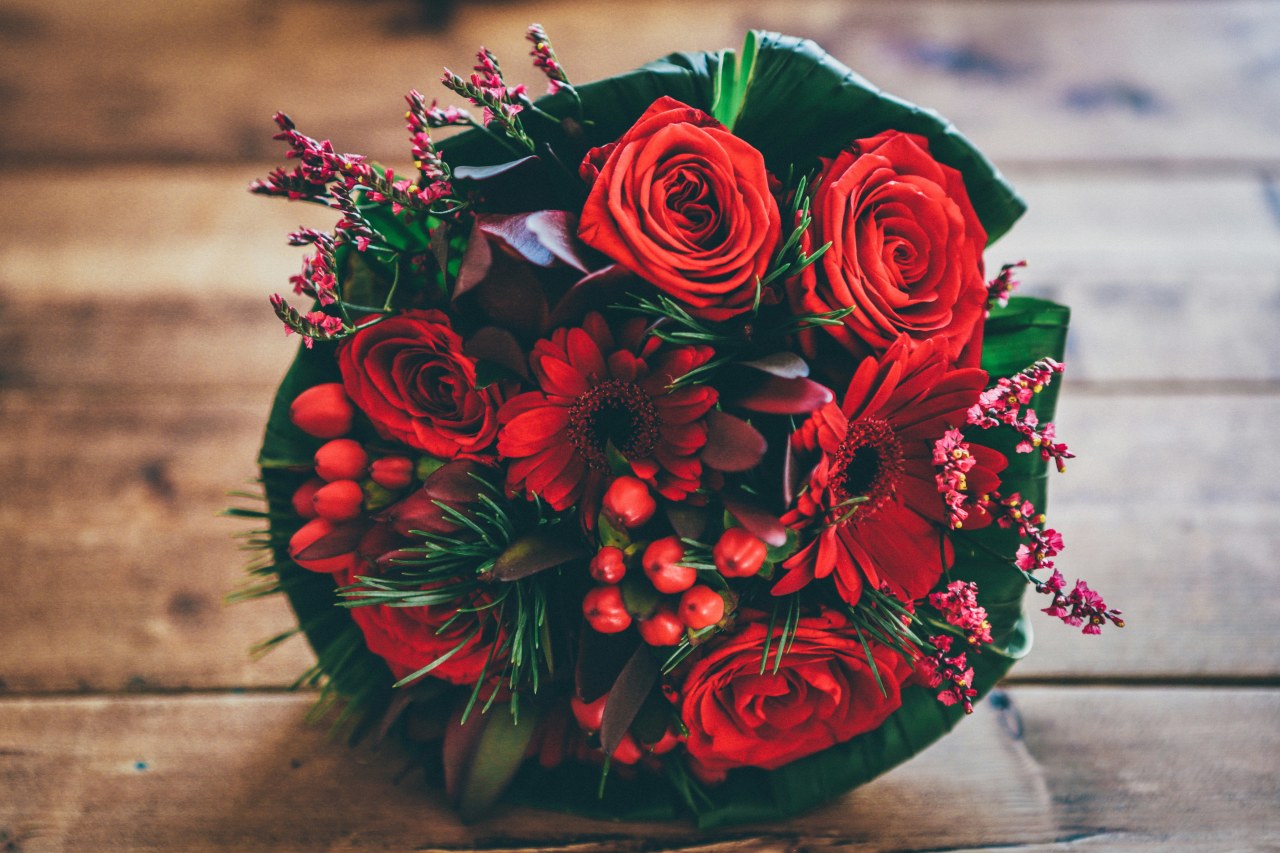
Single-color bouquets are clear and direct. Mixed-color arrangements open up more expressive possibilities — and a few interesting interpretive layers.
Popular Color Combinations and Their Messages
- Red and white: Unity, deep love combined with reverence — classic for weddings and long-term partnerships
- Pink and white: Graceful affection, soft romance, purity of feeling — excellent for weddings, new relationships, and bridal events
- Red and pink: Warm, layered love — romantic but approachable; works well for Valentine’s Day when you want variety
- Yellow and orange: Energetic, joyful, celebratory — ideal for birthdays and congratulatory moments
- White and lavender: Dreamy, sophisticated, enchanting — popular for milestone events and artistic individuals
- Peach and cream: Warm gratitude, soft elegance — often used in sympathy arrangements or thank-you bouquets
The arrangement itself matters as much as the colors. A loose, garden-style arrangement with mixed colors reads as romantic and abundant. A structured, monochromatic bouquet reads as intentional and sophisticated. For truly special occasions, a custom arrangement from FlowersCNJ’s luxury bouquet flowers collection combines expert color curation with professional arrangement design — the kind of result that’s immediately obvious to the person receiving it.
Practical Tips for Choosing the Right Rose Color
Knowing the meanings is useful. Applying them in real life requires a bit of practical thinking.
Consider Your Relationship to the Recipient
The same color can communicate different things depending on who receives it. Red roses sent to a spouse of 15 years reads as romantic and devoted. Red roses sent to someone you’ve been on two dates with might feel like a lot of pressure. Map the color to the relationship stage, not just the occasion.
Factor in Cultural Context
American floral traditions are broadly consistent, but cultural backgrounds can introduce different associations. White carries mourning connotations in several East Asian traditions. Yellow connects to death and grief in parts of Latin America and the Middle East. If you’re sending to someone from a different cultural background and you’re unsure, a quick search or a conversation with your florist can prevent an accidental misstep.
Think About Where the Flowers Will Live
A home with neutral, minimal decor will be transformed by vivid red or orange roses — they’ll dominate the space in a striking way. The same vivid reds might clash in a room with warm, heavily saturated furnishings. Softer colors — blush, peach, white, light pink — are more universally harmonious with different interiors. If you know the recipient’s home or office, factor in the setting.
Don’t Overlook the Number of Stems
Color isn’t the only variable that carries meaning. The number of roses sends signals too. A single rose says something intimate and deliberate. A dozen is the classic romantic gesture. Two dozen escalates the statement significantly. Twenty-five or fifty roses for milestone anniversaries communicates magnitude. Three roses is a popular choice for “I love you” — one rose per word, in the older tradition. FlowersCNJ can accommodate custom stem counts for all of these, which generic online platforms rarely do with any consistency.
Ask Your Florist
This sounds obvious, but a surprising number of people don’t do it. Professional florists at shops like FlowersCNJ aren’t just filling orders — they’re translating emotional intentions into floral design. Telling them who the recipient is, what the occasion means to you, and what you want the person to feel when they open the arrangement gives them the information to make choices you might not have considered. That kind of consultation is part of what distinguishes a real local florist from an algorithm-driven delivery platform.
Rose Colors for Specific Occasions: A Quick Reference
Valentine’s Day
Red remains dominant, but the holiday has diversified. Pink arrangements — particularly mixed pinks and blush tones — have grown significantly in popularity, especially among couples who prefer something less expected. White and red combinations are a strong alternative. Avoid yellow unless your relationship has a specific inside joke about it.
Weddings
White, blush pink, and cream dominate bridal palettes for good reason — they read as elegant and timeless in photographs and carry appropriate symbolism. Lavender has grown popular for garden and bohemian weddings. Deep burgundy offers drama for fall ceremonies. Avoid colors that might upstage the wedding palette; the flowers should complement, not compete.
Mother’s Day
Pink is the traditional Mother’s Day color — specifically, pink roses were associated with the holiday’s founder, Anna Jarvis, who wore a white carnation in her mother’s memory and later advocated for pink carnations. Roses have absorbed that association over time. Pink, peach, and mixed arrangements with warm tones are all strong choices. Red works if you want to communicate deep love and reverence.
Sympathy and Condolences
White is the most appropriate rose color for sympathy arrangements. Soft pink and peach are also acceptable — they read as warm and gentle rather than starkly formal. Avoid vivid, celebratory colors like bright pink, orange, or red. The goal is to communicate care, peace, and respect.
Graduation
Yellow for joy and achievement, hot pink for celebration and excitement, orange for enthusiasm about the future. School colors are also a natural choice here — a graduation arrangement built around the graduate’s school palette is specific and memorable in a way that a generic mixed bouquet isn’t.
Why FlowersCNJ Gets Rose Color Right
There are florists who treat rose color as an inventory matter — red is red, pink is pink, whatever’s in stock goes in the box. Then there are florists who understand that color is the primary carrier of meaning in a floral gift, and that getting it right matters.
FlowersCNJ falls into the second category. Their team actively helps customers navigate color choices for specific occasions and specific people — not with a scripted recommendation, but with real questions about the recipient, the relationship, and the intended message. The result is arrangements that feel considered rather than generic.
Their rose inventory is also notably specific. Where some florists offer “red roses” as a single undifferentiated option, FlowersCNJ carries multiple varieties — different stem lengths, different cultivars with distinct petal shapes and color depths — which matters when the details of the arrangement carry their own meaning. A single deep-burgundy cabbage rose says something different from a tight cluster of classic hybrid teas, even if both are technically “red.”
For anyone in central New Jersey looking to get rose gifting right — not just “flowers delivered” but flowers that communicate exactly what you mean — FlowersCNJ’s combination of local knowledge, genuine expertise, and commitment to freshness puts them in a different category from the national delivery platforms that dominate search results but regularly disappoint on execution.
FAQ: Rose Color Meanings
What color roses mean “I’m sorry”?
Deep red roses are traditionally associated with sincere apology in a romantic context — they combine the weight of passion with the seriousness of the gesture. In non-romantic contexts, white roses (representing respect and a desire for peace) or soft pink roses (conveying gentleness and care) tend to work better for an apology. Avoid yellow for apologies, as the cheerful connotation can undercut the sincerity of the gesture.
Is it okay to send red roses to a friend?
It can be, but context matters. A single red rose to a close friend on their birthday reads differently than a dozen red roses delivered with a handwritten note. If you want to send roses to a friend without implying romantic interest, hot pink, coral, or yellow are much clearer choices. They communicate warmth and genuine affection without the romantic signal that red carries almost universally in American culture.
What do two different rose colors together mean?
Mixed-color arrangements can communicate layered meanings. Red and white together traditionally represent unity — passion combined with purity. Pink and white suggests gentle love or romantic friendship. Yellow and orange together is purely celebratory. When mixing colors, the combination reads as more expressive than either color alone — but the interpretation is somewhat in the eye of the beholder, which is why the context and accompanying message matter.
How many roses should I send?
One rose: a singular, intimate gesture. Three roses: a simple declaration of love (one rose per word). Six roses: “I want to be yours.” Twelve roses: the classic romantic standard, ideal for most occasions. Twenty-four roses: an elevated, serious gesture. Fifty or one hundred roses: reserved for extraordinary milestones or grand statements. There’s no wrong number, but more stems generally read as more serious and significant — scale the quantity to the relationship and the moment.
Do rose color meanings differ by country?
Yes, significantly. White is associated with mourning in China, Japan, and Korea — which means a white rose arrangement would be inappropriate as a celebratory gift in those contexts. Yellow carries funeral associations in Mexico, parts of Latin America, and some Middle Eastern cultures. In France, yellow roses specifically have historically carried connotations of infidelity. In the U.S., these older associations have faded somewhat, but if you’re sending flowers to someone from a specific cultural background, it’s worth a quick check or a conversation with your florist before finalizing your selection.
Sending Roses That Actually Land
Rose color meaning is one of those things that feels minor until it doesn’t. Most of the time, the gesture matters more than the shade — a thoughtful person sending flowers to someone they care about will almost always be received well, regardless of color. But when the color is right, the arrangement doesn’t just look beautiful. It communicates something. And that additional layer of intention is what turns a nice gesture into a memorable one.
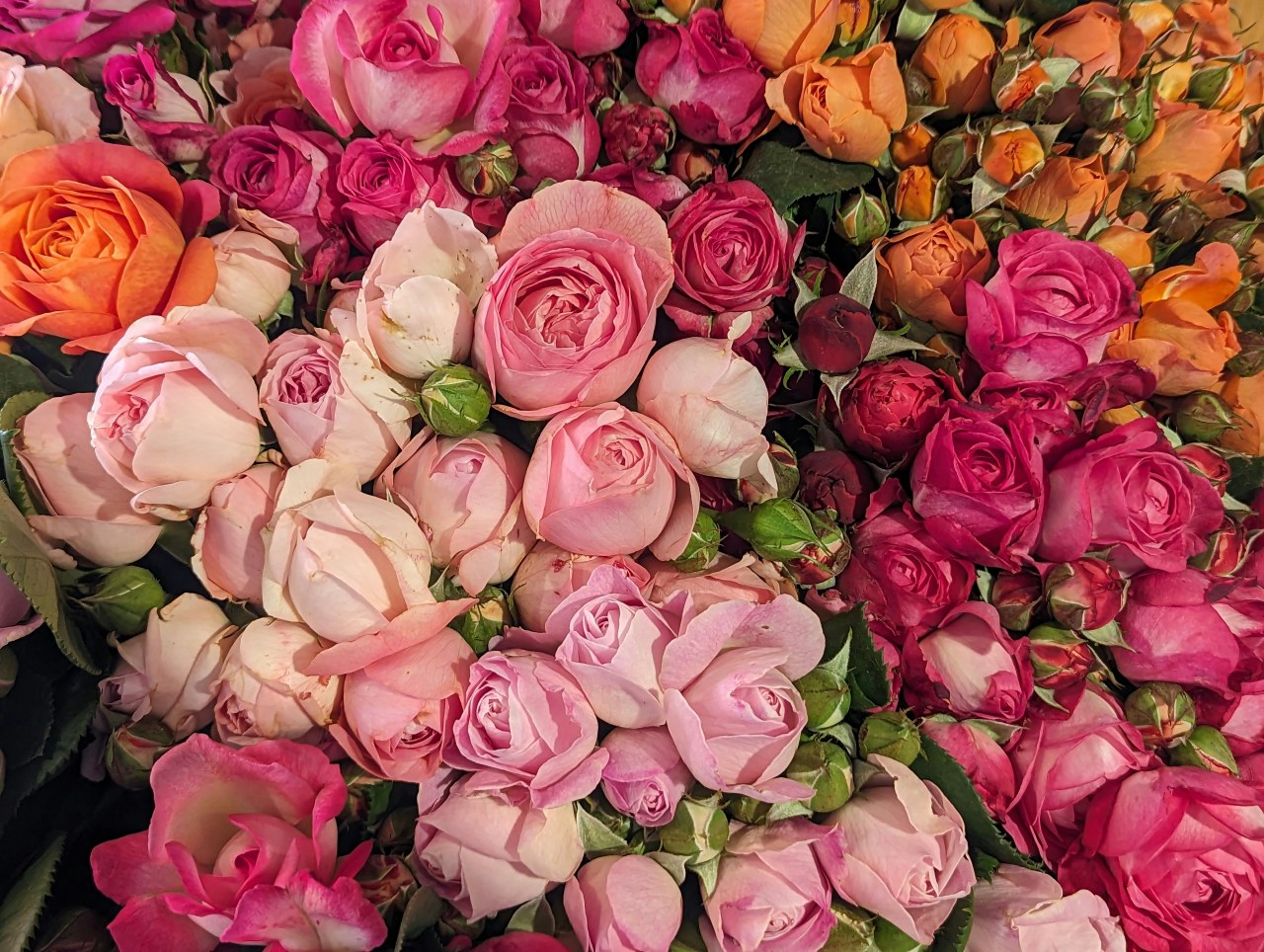
Understanding what different rose colors mean gives you real control over the message you’re sending. Red for the depth of romantic love. Pink for warmth and celebration across nearly every relationship type. White for purity, reverence, and new beginnings. Yellow for friendship and joy. Orange for enthusiasm and early-stage passion. Lavender for enchantment and admiration. Peach for sincere gratitude.
When you add a florist who genuinely understands these distinctions — who can help you choose not just the color but the right shade, stem count, arrangement style, and complementary blooms — the result is a gift that does exactly what you intended. That’s what FlowersCNJ consistently delivers, and it’s why the people who’ve ordered from them once tend to come back.